
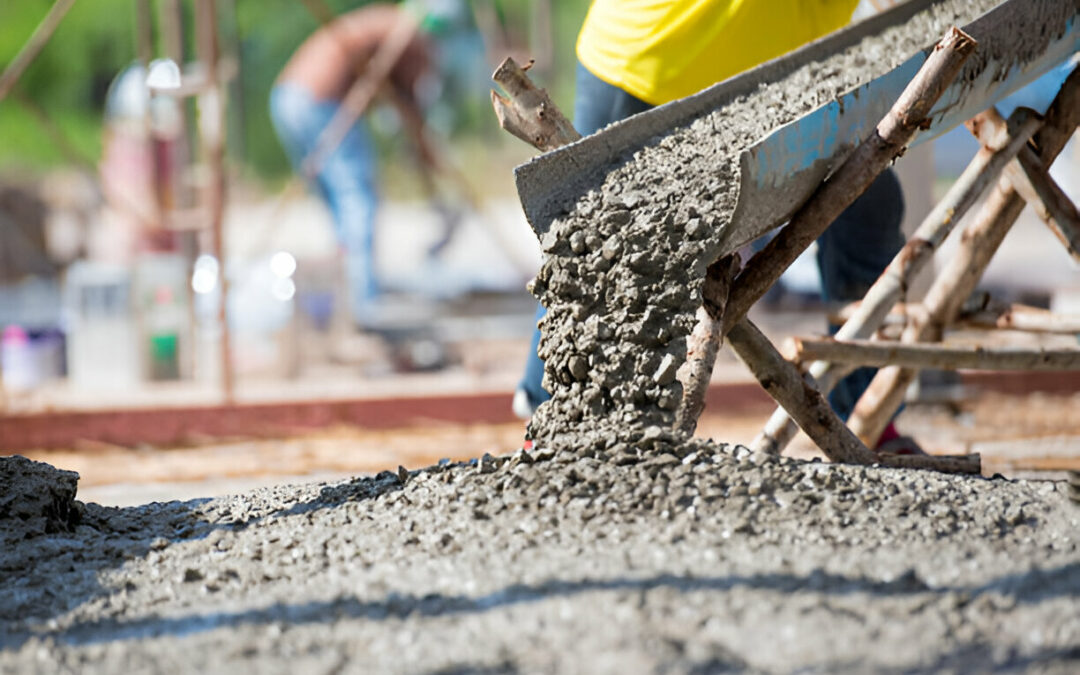
Industrial projects require a level of structural precision and material strength that far exceeds standard residential or light commercial work. In a high-output environment, the concrete floor serves as the literal foundation for heavy machinery, constant forklift traffic, and rigorous production schedules.
Partnering with specialized contractors ensures that your facility is built to withstand extreme mechanical stress and environmental factors. By prioritizing industrial-grade expertise, you protect your equipment, your personnel, and your company’s bottom line from the risks of structural failure.
Engineering for Heavy-Duty Load Requirements
Industrial floors must support the immense weight of racking systems and heavy manufacturing equipment without cracking or settling. Specialized contractors utilize advanced engineering calculations to determine the exact thickness and reinforcement needed for your specific load-bearing requirements.
- High-strength concrete mixes are customized with specific PSI ratings to handle static and dynamic loads.
- Rebar and wire mesh placement is optimized to distribute weight evenly across the entire slab.
- Strategic thickness planning ensures the floor doesn’t deflect under the weight of high-capacity forklifts. Ensuring your floor can handle the heavy lifting prevents the catastrophic downtime associated with a collapsing or sinking slab.
Precision Leveling and Flatness Standards
In modern warehouses and factories, “Super Flat” floors are essential for the safe operation of high-reach forklifts and automated guided vehicles. Specialized teams utilize laser-screed technology to achieve precise Floor Flatness (FF) and Floor Levelness (FL) numbers required by industrial regulations.
- Precise leveling prevents the “leaning” of tall storage racks, which can cause dangerous tipping hazards.
- Smooth surfaces reduce the wear and tear on vehicle tires and suspension systems, lowering maintenance costs.
- Advanced measuring tools verify that the surface meets the strict tolerances needed for precision manufacturing. Achieving extreme flatness is a technical feat that ensures your facility operates at peak efficiency and safety.
Implementation of Specialized Joint Systems
Industrial concrete is prone to expansion and contraction, which can lead to spalling at the joints if not managed correctly. Experts install heavy-duty armored joints and specialized load-transfer devices to protect the edges of the slabs from crumbling under heavy wheel traffic.
- Dowel baskets are used to maintain vertical alignment between slabs while allowing for horizontal movement.
- High-performance joint fillers protect the edges from “spalling” caused by hard-wheeled pallet jacks.
- Strategic joint spacing minimizes the number of seams in high-traffic “drive aisles” to reduce maintenance. Protecting the joints is the most effective way to prevent the most common type of industrial floor failure.
Resistance to Chemical and Thermal Stress
Many industrial processes involve the use of harsh chemicals, oils, or extreme temperature shifts that would quickly degrade standard concrete. Specialized contractors can incorporate integral admixtures or high-performance coatings that create a non-porous, resistant barrier.
- Chemical-resistant topcoats prevent acids and solvents from eating into the concrete substrate.
- Thermal-shock resistant materials are utilized in food processing or cold storage areas to prevent cracking.
- Low-dusting finishes keep sensitive electronics and machinery safe from abrasive concrete particulates. A chemically and thermally stable floor ensures that your production environment remains clean, safe, and compliant with industry standards.
Strict Adherence to Safety and Building Codes
Industrial projects in Athens must meet rigorous local and federal safety standards, including OSHA requirements and specific ADA accessibility codes. Specialized commercial teams handle the complex permitting and inspection processes to ensure the project stays on schedule and within legal bounds.
- Integrated slip-resistant textures are applied to ramps and walkways to prevent workplace injuries.
- Proper drainage systems are engineered to manage industrial runoff and prevent standing water hazards.
- Fire-rated concrete mixes and protective barriers are utilized in high-risk zones to enhance facility safety. Professional compliance management provides the peace of mind that your facility is a safe and legally sound environment for your workforce.
Secure Your Facility’s Operational Future
Investing in specialized industrial concrete expertise is a strategic move that guarantees the long-term reliability of your infrastructure. These high-performance solutions eliminate the hidden costs of frequent repairs and operational disruptions.
Your facility’s floor is a critical tool in your production process, not just a surface to walk on. Partner with a specialized team today to ensure your industrial project stands on a foundation of strength, precision, and enduring quality.